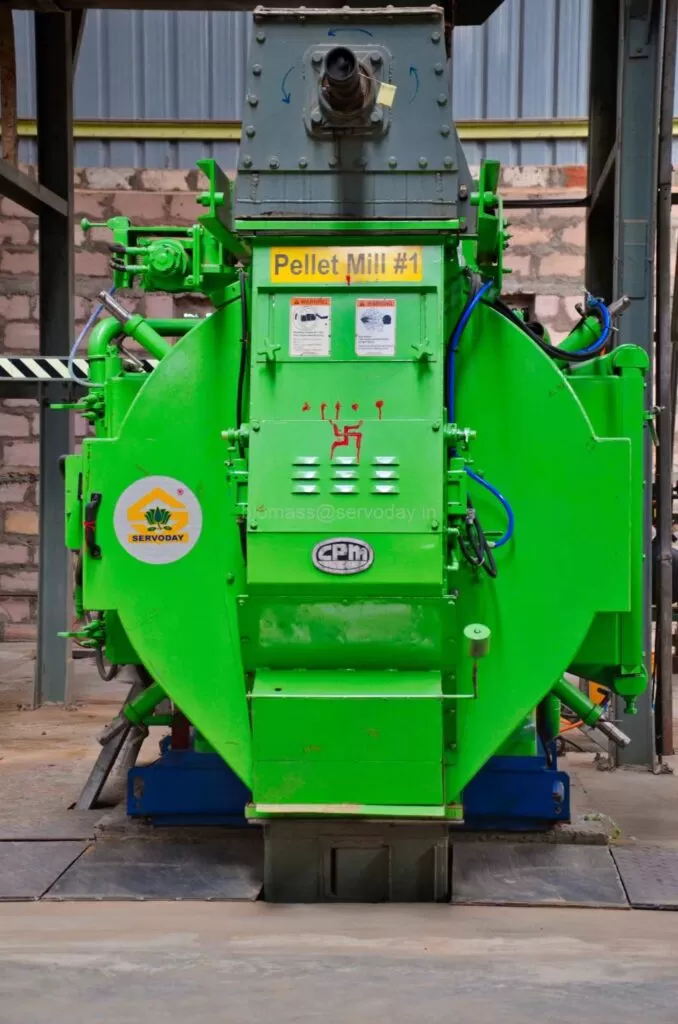
• Ring die pellet mills are widely used to produce biomass pellets from materials such as wood chips, sawdust, crop residues, and other organic materials. These biomass pellets are used as a renewable energy source for heating or power generation.
2. Animal Feed Pellets:
• Ring die pellet mills are extensively employed in the production of animal feed pellets. These pellets provide a convenient and nutritionally balanced form of feed for livestock, poultry, and pets.
3. Wood Pellets for Heating:
• The production of wood pellets using ring die pellet mills is common for residential and industrial heating applications. Wood pellets are a cleaner and more efficient alternative to traditional wood logs or other fossil fuels.
4. Livestock Bedding:
• Some pellet mills are used to produce pellets for use as bedding material in livestock and poultry operations. These pellets can be made from materials such as straw, hay, or other suitable plant fibres.
5. Aquafeed Pellets:
• Ring die pellet mills are employed in the production of pellets for aquatic animals, including fish and shrimp. Aquafeed pellets are formulated to meet the nutritional requirements of these animals.
6. Organic Fertilizer Pellets:
• Pellet mills can be used to produce organic fertilizer pellets by compressing organic materials such as manure, compost, or crop residues. These pellets provide a convenient and nutrient-rich form of fertilizer for agriculture.
7. Industrial Pelletization:
• In industrial settings, ring die pellet mills may be used to pelletize various materials for specific applications. For example, certain chemicals, minerals, or waste materials can be pelletized for easier handling, transportation, or processing.
8. Biomass Fuel Production:
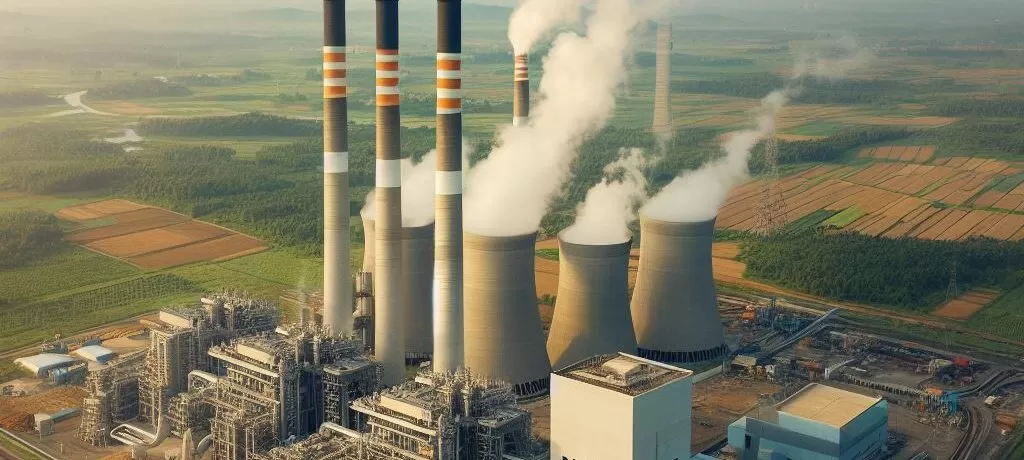
• Biomass pellets produced using ring die pellet mills can be used as a source of fuel in biomass power plants. These pellets are a sustainable alternative to traditional fossil fuels.
9. Waste Recycling:
• Ring die pellet mills can process certain types of waste materials, transforming them into pelletized forms for recycling or disposal. This can include waste wood, agricultural residues, or other biomass waste.
10. Chemical and Pharmaceutical Applications:
• In some cases, pellet mills are used in the chemical and pharmaceutical industries to create pellets from specific materials for further processing or use in manufacturing.
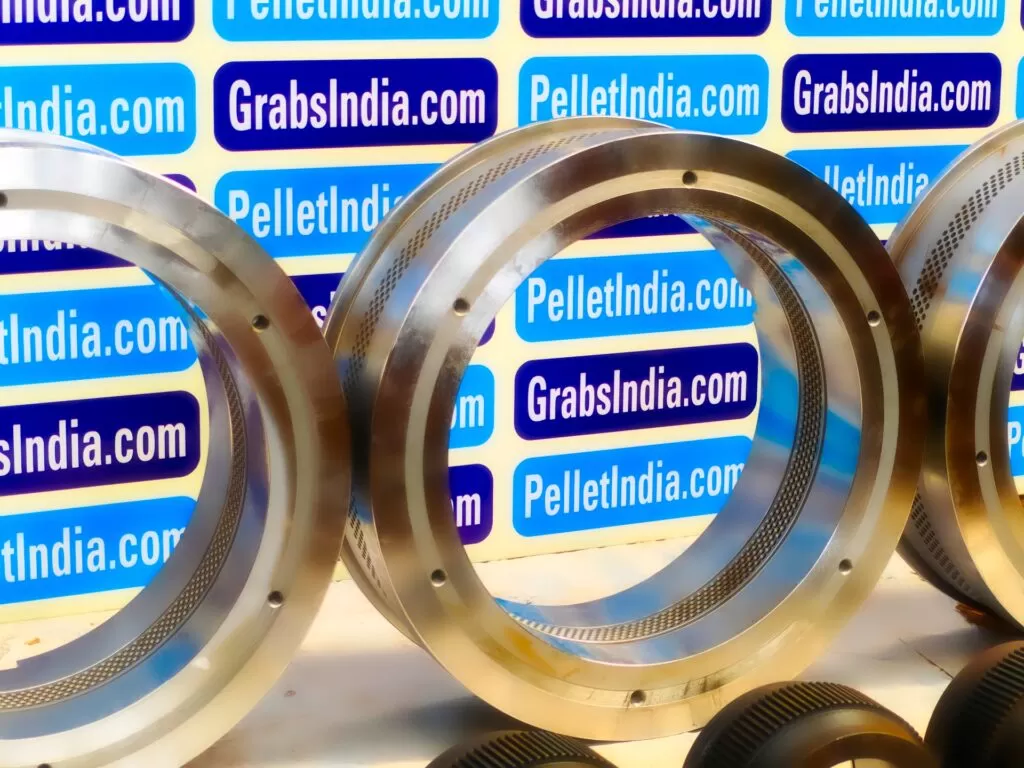
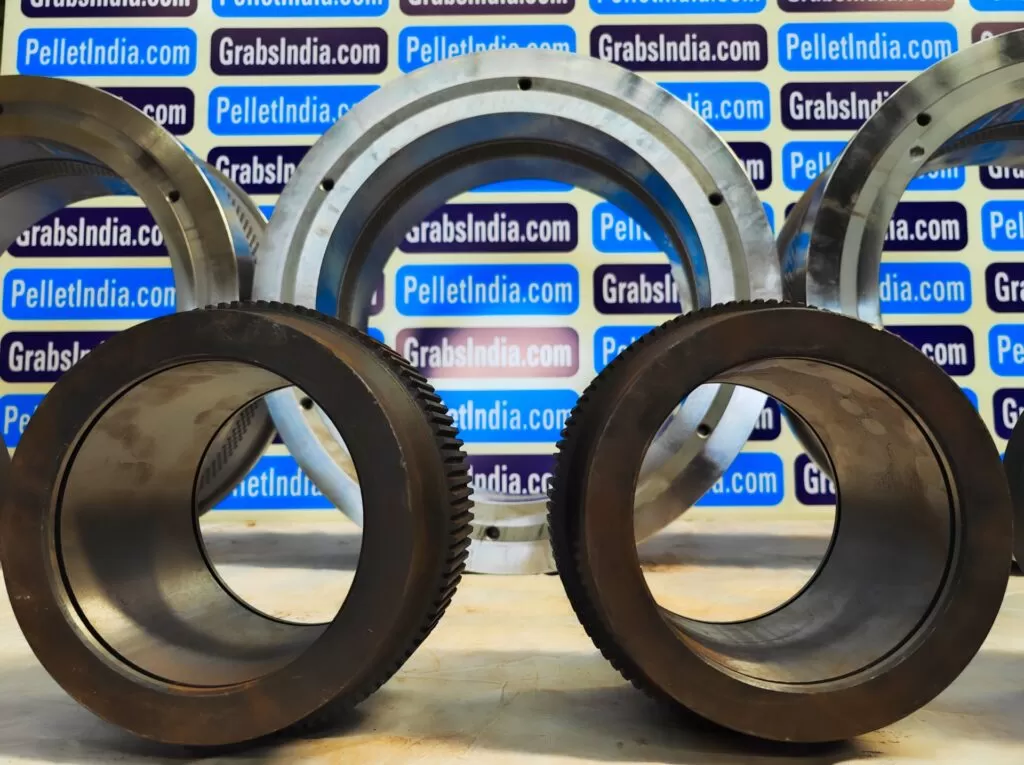
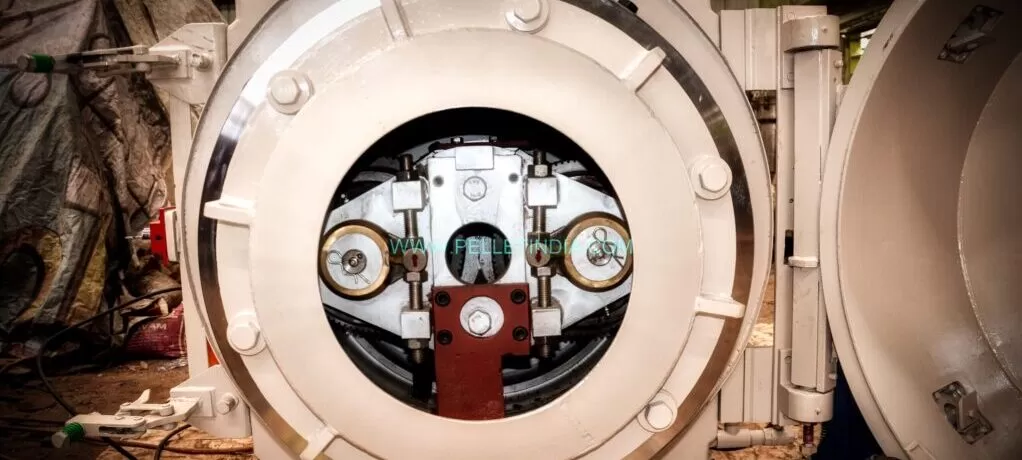
PelletIndia.com offers a range of fully refurbished SYS Pellet Mills, each carefully run in at their factory to ensure high-quality, durable pelleting production. Here are the detailed specifications for the available models, tailored to various materials such as wood, biomass, and feed:
Die Linear Speed (m/s): 5.9, 6.4, 7.1, 8.3, 9.0, 10.0
Electric Motor (kW): 315, 355, 400
Capacity: 4 TPH to 15 TPH
Suitable for: Wood, Biomass, Feed
SYS 7700
Make: SYS
Type: 7722, 7926, 7930
Year: 2010, 2011, 2012, 2014, 2016, 2018
Die Diameter (mm): 572, 673, 762
Die Width (mm): 60, 94, 156, 180, 210, 240
Die Surface (cm²): 1078 to 5027
Die Speed (RPM): 150 & 210
Die Linear Speed (m/s): 4.5, 5.9, 5.3, 6.3, 7.4
Electric Motor (kW): 160, 200
Capacity: 3 TPH to 10 TPH
Suitable for: Wood, Biomass, Feed
SYS 3000
Make: SYS
Type: 3020, 3022
Year: 2010, 2011, 2013, 2015, 2016, 2017
Die Diameter (mm): 508, 572
Die Width (mm): 60, 113, 156
Die Surface (cm²): 1078 to 2490
Die Speed (RPM): 210 & 270
Die Linear Speed (m/s): 5.6, 6.3, 7.2
Electric Motor (kW): 90, 132, 160
Capacity: 2 TPH to 7 TPH
Suitable for: Wood, Biomass, Feed
SYS 2000
Make: SYS
Type: 2016
Year: 2009, 2010, 2012, 2014, 2016
Die Diameter (mm): 407
Die Width (mm): 57, 83, 116
Die Surface (cm²): 729 to 1483
Die Speed (RPM): 212 & 272
Die Linear Speed (m/s): 4.5, 5.7
Electric Motor (kW): 90
Capacity: 1 TPH to 3 TPH
Suitable for: Wood, Biomass, Feed
Key Points
Fully Refurbished: Each mill is refurbished to high standards and run in at the factory to ensure long-lasting, high-quality performance.
Versatility: Suitable for processing wood, biomass, and feed, providing flexibility depending on your production needs.
Capacity Range: Depending on the model and specific requirements, the capacity ranges from 1 TPH to 15 TPH, making them suitable for various production scales.
Variable Specifications: Each model has different specifications for die diameter, width, surface area, speed, and motor power to cater to specific pelleting requirements.
PelletIndia.com ensures that all refurbished mills are delivered with the highest standards of quality and performance, tailored to support long-lasting pelleting production across various materials.
Make pellets from the by-product Fermented Organic Manure (FOM, Manure) after compressed biogas and use it as boiler fuel.
Making pellets from the by-product Fermented Organic Manure (FOM, Manure) of compressed biogas (CBG) and using them as boiler fuel is an excellent idea. Let’s break it down:
By-Product: Fermented Organic Manure (FOM, Manure) The by-product you mentioned is likely the leftover material after the biogas production process. This residue can include organic matter, such as agricultural waste, food scraps, or other biomass.
Pelletization: Pelletization involves compressing the biomass into small, dense pellets. These pellets are easier to handle, transport, and store compared to loose biomass. The pelletization process typically includes grinding the raw material, adding a binder (if necessary), and compressing it into pellet form.
Benefits of Pellets:
Energy Density: Pellets have a high energy density, which means they contain a lot of energy in a compact form.
Uniformity: Pellets are consistent in size and composition, making them ideal for automated feeding systems.
Reduced Emissions: Using pellets as boiler fuel can help reduce greenhouse gas emissions compared to traditional fossil fuels.
Efficient Combustion: Pellets burn efficiently and produce less ash.
Boiler Fuel: Once you have the pellets, you can use them directly as fuel for boilers. Biomass pellets can replace coal, oil, or natural gas in industrial and residential boilers. They provide a sustainable and renewable energy source.
Considerations:
Quality: Ensure that the pellets meet quality standards (e.g., low moisture content, high calorific value).
Storage: Proper storage is essential to prevent degradation and maintain pellet quality.
Boiler Compatibility: Check if your boiler is compatible with biomass pellets.
PelletIndia.com:
PelletIndia is a valuable resource for unlocking the potential of biomass pellets.
They offer cutting-edge technology for biomass pellet production. Their solutions include:
Ring Die Pellet Mill: Produces cylindrical pellets (typically 6-12 mm in diameter) by compressing biomass material against a rotating ring die with holes.
Other Biomass Pellet Machines and Plants: Explore their comprehensive offerings for biomass pellet production and power generation.
Remember that the success of this approach depends on the quality of the pellets, efficient combustion, and proper boiler maintenance. If you need further assistance or have specific questions, feel free to ask! Or CALL 😊
Procurement of Biomass Pellets on FOR Power Station basis for NTPC Vindhyachal,
Sipat, Korba and Lara Plants
BID DOCUMENT No: CS-0011-112R-9 Date:13.05.2024
1.0 NTPC Limited invites on-line bids on Single Stage Two Envelope basis (i.e. Envelope-I: Techno-Commercial and Envelope-II: Price) from eligible Bidders for aforesaid
package, as per the scope of work briefly mentioned hereinafter, for Vindhyachal, Sipat,
Korba and Lara Plants .
2.0 Brief Scope of Work
2.1 The scope of work under this package shall include supply, loading, transport and
delivery of agro-residue based biomass pellets at NTPC Site.
2.2 Unloading at NTPC site shall be in the scope of NTPC Plants provided pellets are
loose filled in the carriage vehicle. Carriage vehicle should be fully covered and
waterproof during transportation to prevent the material from rain, sunlight and to
prevent dusting.
2.3 If supplier supplies the material packed in bags, consignment shall not be
accepted, or supplier shall unload and unpack the material at his own cost and
supplier must take back the empty bags from plant premises. In such case, any
additional cost, including demurrage, if any, will be borne by the vendor.
2.4 The pellets supplied shall adhered to the technical specification given in tender
Procurement of Non Torrefied Biomass Pellets on for Power Station basis for Co-firing with coal for Bhusawal Thermal Power Plant of Mahagenco
Tender No: CE/FM/EE2/Biomass/2024BTPS/47981
Rfx No: – 3000047981
Maharastra State Power generation Co. Ltd. Is state power generation utility. Mahagenco invites online Bids (Two Bid System i.e. Separate bid for technical/commercial & price bid for Procurement of Non Torrefied Biomass Pellet on for Power Station basis for Co-firing with coal for Bhusawal Thermal Power Plant of Mahagenco.
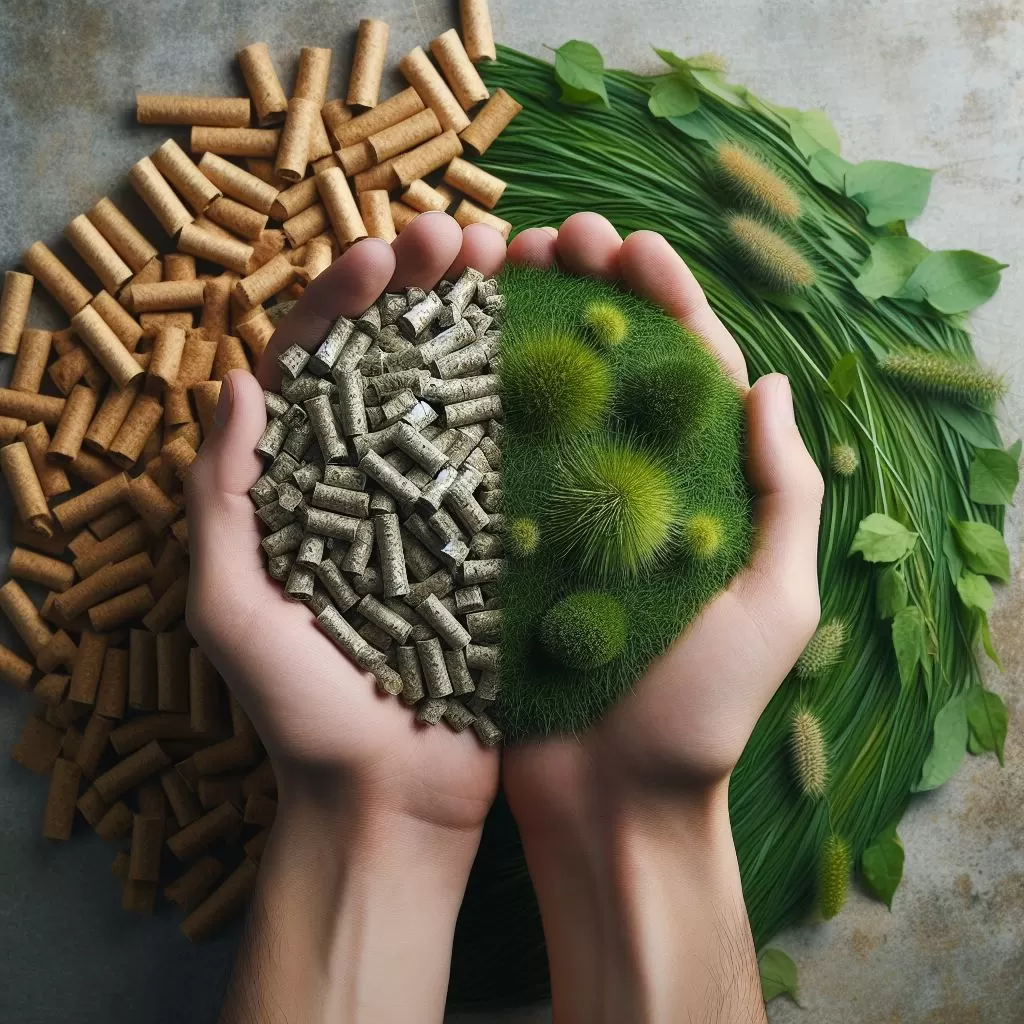
Napier grass pellets are a type of biomass pellet made from the Napier grass (Pennisetum purpureum), also known as elephant grass. Here are some technical details about Napier grass pellets:
Pellet Production: Napier grass is harvested, dewatered to remove excess moisture, and then processed into pellets using pellet mills. The process involves compressing the dried grass through die holes under high pressure, which generates heat and softens the lignin in the grass, acting as a natural binder.
Energy Density: The pellets exhibit good energy density, making them suitable for use as a renewable energy source.
Pellet Durability: They have shown durability characteristics comparable to other biomass pellets, which is important for handling, transportation, and storage.
Calorific Value: Napier grass as a fuel source can provide about 4400kcal per kilogram (18.4MJ/kg), which is quite efficient compared to other raw materials.
Environmental Benefits: Growing Napier grass for pellet production can improve soil structure, prevent erosion, and sequester carbon dioxide, contributing to a healthier ecosystem.
Napier grass pellets can be used for both fuel and animal feed, offering a sustainable and versatile solution for energy and agricultural needs. They are particularly beneficial in regions where Napier grass grows abundantly and can be harvested multiple times a year. The high yield and low input requirements make it an attractive option for biomass pellet production.
The mission envisions the conversion of biomass to power using suitable market mechanisms, thereby promoting carbon-neutral power generation from thermal power plants.
The objectives include:
Increasing co-firing levels from the current 5% to higher percentages, allowing a larger share of carbon-neutral power generation.
Conducting research and development (R&D) on boiler design to handle the higher silica and alkali content in biomass pellets.
Facilitating the supply chain of biomass pellets and agro-residue up to power plants.
Addressing regulatory issues related to biomass co-firing.
Recent Activities:
In March 2024, a common capacity-building program was conducted for farmers and pellet manufacturers in Bareilly, Uttar Pradesh.
In February 2024, a similar program took place in Jabalpur, Madhya Pradesh.
In January 2024, an on-site capacity-building program was organized for thermal power plant officials at NTPC Mauda, Maharashtra.
In December 2023, programs were held in Raipur, Chhattisgarh, and NTPC Khargone, Madhya Pradesh.
Biomass pellets are a valuable and sustainable alternative to traditional fossil fuels. Let’s explore the different types of biomass pellets used in various industries:
1) Wood Pellets: i) Derived from wood chips, sawdust, and other woody materials. ii) Widely used for heat generation in residential and industrial boilers. iii) Ideal for space heating in pellet stoves and boilers due to their efficiency and low emissions. 2) Agricultural Residue Pellets: i) Made from crop residues such as straw, corn stalks, and rice husks. ii) Used for heat production in industrial processes and as supplementary fuel in manufacturing. 3) Energy Crop Pellets: i) Produced from dedicated energy crops like switchgrass, miscanthus, and willow. ii) Used for combined heat and power (CHP) systems, generating both electricity and useful heat. 4) Industrial Waste and Co-Product Pellets: i) Utilize waste materials from industries, such as sawdust, paper sludge, and bagasse. ii) Contribute to waste reduction and promote resource efficiency. 5) Food Waste Pellets: i) Made from food scraps and organic waste. ii) Not as common but can be used for heat generation. 6) Untreated Lumber Pellets: i) Derived from virgin lumber. ii) Less common due to the availability of other biomass sources.
Remember that the choice of biomass pellet type depends on factors like availability, cost, and specific industry requirements. Each type has its advantages and applications, contributing to a greener and more sustainable energy landscape. 🌱🔥