Monday to Friday

9:00am - 6:00pm

Why Make a RDF Pellet or Briquette?

6a81b383 0733 4f8c 91c9 bf50c81694f4 1

There are several reasons why someone might choose to make an RDF pellet or briquette:

Improved Handling:

  • Reduced volume: Pellets and briquettes are much denser than loose RDF, which makes them easier to store, transport, and feed into combustion equipment. This can significantly reduce associated costs and improve efficiency.
  • Reduced dust: Loose RDF can be dusty and difficult to handle, posing concerns for workers and the environment. Pelletizing or briquetting minimizes dust generation and improves working conditions.
  • Standardized fuel: Unlike loose RDF with varying compositions, pellets and briquettes offer a consistent fuel quality, allowing for more efficient combustion and better control over emissions.

Enhanced Combustion Properties:

  • Higher burn rate: Pellets and briquettes have a higher surface area compared to loose RDF, leading to faster and more complete combustion. This translates to higher energy output and reduced emissions.
  • Lower moisture content: The production process often involves drying the RDF, resulting in pellets and briquettes with lower moisture content. This improves combustion efficiency and reduces harmful emissions like nitrogen oxides.

Environmental Benefits:

  • Waste management: By utilizing waste as a fuel source, RDF pellets and briquettes contribute to waste diversion from landfills, reducing greenhouse gas emissions and associated environmental impacts.
  • Renewable energy: RDF is considered a renewable energy source as it utilizes waste materials instead of fossil fuels. This can help reduce dependence on traditional fuels and contribute to a more sustainable energy mix.

Economic Advantages:

  • Cost-effective fuel: RDF pellets and briquettes can be a cost-effective alternative to fossil fuels, especially in regions with limited access to traditional energy sources.
  • Job creation: The production and utilization of RDF pellets and briquettes can create new jobs in the waste management and renewable energy sectors.

However, it’s important to consider:

  • Investment cost: Setting up a facility to produce RDF pellets or briquettes requires significant investment in equipment and infrastructure.
  • Emissions concerns: While improved compared to loose RDF, burning RDF pellets and briquettes still generates emissions, requiring proper emission control systems.
  • Social acceptance: Not everyone accepts the use of waste as fuel due to concerns about potential health risks and emissions.
What is RDF/SFR/RPF Pellet or Briquettes?

RDF/SFR/RPF pellets and briquettes are all related to waste management and renewable energy. While they share some similarities, they also have distinct characteristics:

27699578 8b05 4345 9721 d09f92bd1d8f

RDF:

  • Stands for Refuse Derived Fuel.
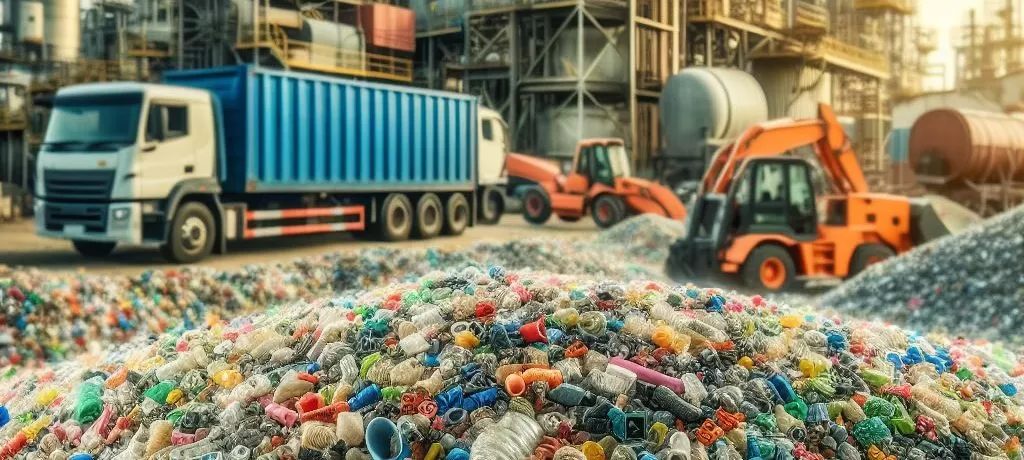
  • Made from processed municipal solid waste (MSW) such as plastic, paper, textiles, and wood.
  • Processed by removing non-combustible materials like metal and glass.
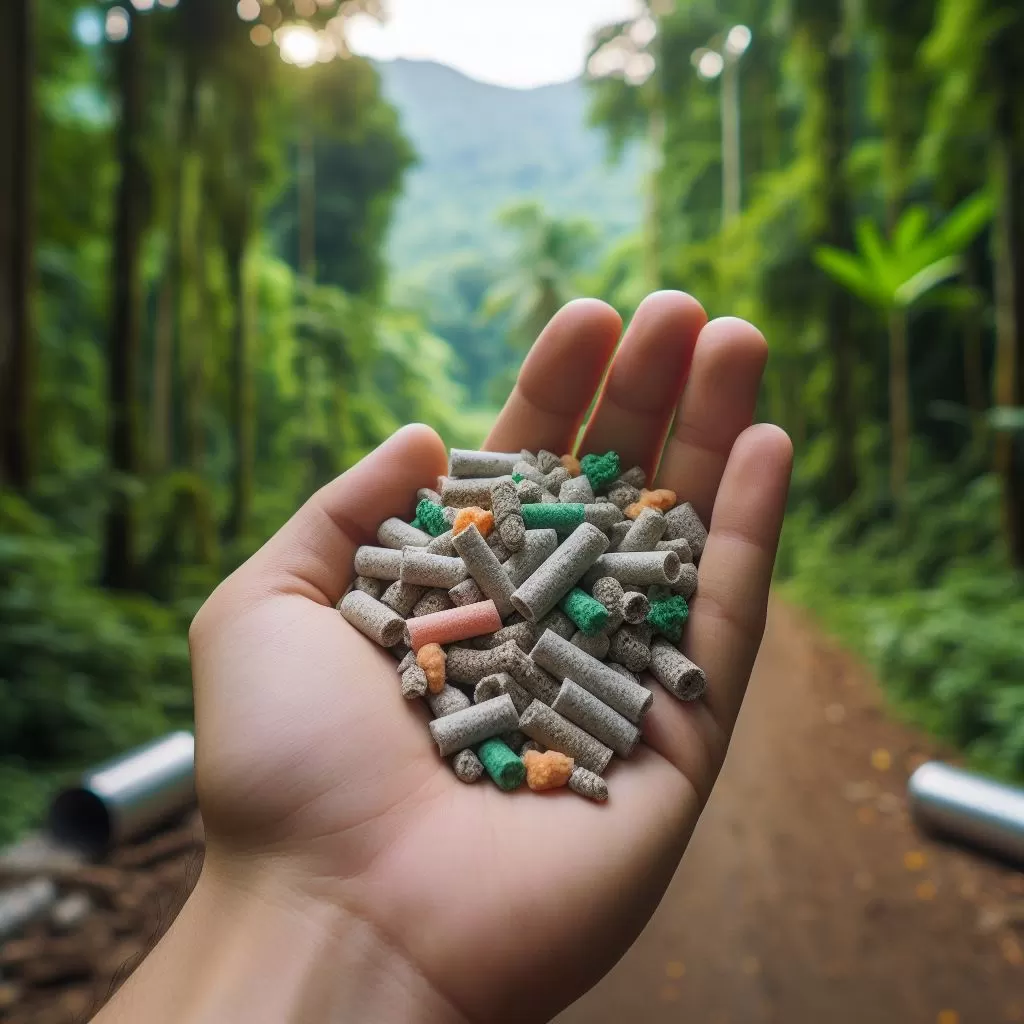
  • Can be compressed into pellets or briquettes for easier handling and transportation.
  • Used as a fuel source in power plants, cement kilns, and other industrial applications.

SFR:

  • Stands for Solid Fuel Recovered.
  • Similar to RDF, but with a higher calorific value due to further processing and separation of combustible materials.
  • Comprises mainly of paper, plastic, and wood waste.
  • Used primarily in industrial boilers and power plants.

RPF:

  • Stands for Refuse Paper Fuel.
  • Specifically made from processed paper waste.
  • Has a higher energy density compared to RDF and SFR.
  • Used in power plants and industrial boilers, often blended with other fuels.

Pellets and Briquettes:

  • Both are compressed forms of fuel made from various materials, including RDF, SFR, and RPF.
  • Pellets: Smaller and cylindrical in shape.
  • Briquettes: Larger and can be various shapes like cubes or logs.
  • Both offer benefits like improved storage, handling, and burning efficiency compared to loose waste material.

In summary:

  • All three (RDF, SFR, RPF) are fuels derived from processed waste.
  • They differ in their composition and processing methods, leading to varying calorific values.
  • They can be compressed into pellets or briquettes for improved handling and use.

The Calorific Value (GCV) of biomass pellets made from various materials.

The Calorific Value (GCV) of biomass pellets made from various materials. The GCV represents the amount of heat energy released by a unit mass of fuel during complete combustion. Here are some examples of biomass pellets and their approximate GCV values:

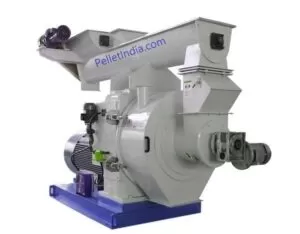
Pellet mill
  • Wood Pellets:
    • Pine, Cedar, Spruce, Fir: GCV ≈ 4300-4500 kcal/kg
    • Hardwood (Xylosma, Catalpa, Elm): GCV ≈ 4500 kcal/kg
    • Softwood (Poplar, Birch): GCV ≈ 4300 kcal/kg
  • Crop Waste Pellets:
    • Bean Stalk, Cotton Stalk, Peanut Shell: GCV ≈ 3800 kcal/kgCorn Stalk: GCV ≈ 3700 kcal/kgWheat Straw: GCV ≈ 3500 kcal/kgPotato Straw: GCV ≈ 3400 kcal/kg
    • Rice Straw: GCV ≈ 3200 kcal/kg
  • Other Biomass Materials:
    • Weed: GCV ≈ 3873 kcal/kg
    • Straw: GCV ≈ 4215 kcal/kg
    • Maize Stalk: GCV ≈ 4241 kcal/kg
    • Corncob: GCV ≈ 4238 kcal/kg
    • Peanut Shell: GCV ≈ 5119 kcal/kg
    • Cedar: GCV ≈ 4587 kcal/kg
    • Pine: GCV ≈ 4552 kcal/kg

Remember that these values are approximate and can vary based on the specific materials, moisture content, and other factors. Biomass pellets offer a renewable and efficient energy source, contributing to a cleaner environment. 🌱🔥


📞 Contact Us for Biomass Solutions

PelletIndia.com – Concept to Commissioning Means, We Are With You! Since 1969 🚀🔥


The Biomass Programme by the Ministry of New and Renewable Energy (MNRE) in India

The Biomass Programme by the Ministry of New and Renewable Energy (MNRE) in India aims to support the establishment of Biomass Briquette/Pellet manufacturing plants and promote Biomass (non-bagasse) based cogeneration projects in industries across the country. Here are the key features of this program:

Animated banner 1
  1. Briquette/Pellet Manufacturing Plants:
    • Central Financial Assistance (CFA) is provided to project developers.
    • The maximum CFA per plant is ₹45 Lakhs.
    • The assistance is based on the manufacturing capacity, with ₹9 Lakhs per metric ton/hour (MTPH).
    • Self-funded projects are also eligible for CFA.
    • New equipment/machinery installations qualify for assistance.
    • SCADA System/remote monitoring is mandated for Biomass projects.
  2. Biomass (Non-bagasse) Cogeneration Projects:
    • CFA is available based on the installed capacity.
    • The maximum CFA per project is ₹5 Crores.
    • The assistance is ₹40 Lakhs per MW.
    • Applications are accepted through an online portal.
    • Self-funded projects are eligible for CFA.
    • SCADA System/remote monitoring is also required for these projects.
  3. Application Process:
    • Proposals for “In-Principle” approval of CFA are submitted through the BioURJA Portal before commissioning.
    • For projects with debt/loans, the Ministry issues approval with concurrence from relevant authorities.
    • The commissioning period is 12 months for Briquette/Pellet Manufacturing plants and 24 months for Biomass cogeneration plants from the date of “In-Principle” approval.
Pelletindia grabsindia banner 1

For more details, you can refer to the administrative approval document provided by the MNRE1. If you have further inquiries, feel free to reach out to Sh. Vikram Dhaka from the Biomass Division via email: [email protected].

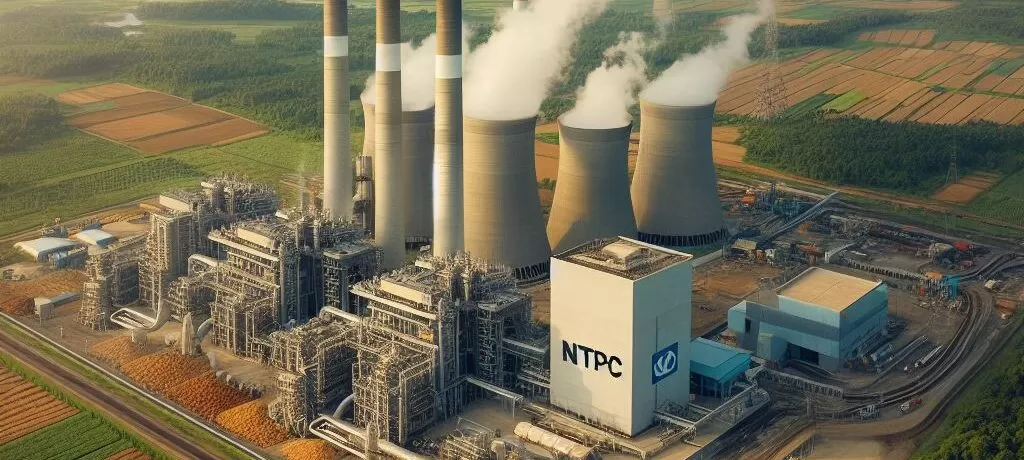
NTPC Unit Fuel type and Location based details

NTPC Unit Fuel type and Location based details:

Information by www.PelletIndia.com

1. NTPC Tenders:

  • Regularly monitor the NTPC eProcurement Portal (https://eprocurentpc.nic.in/) for tenders related to “biomass pellets.” This is the most direct way to identify plants seeking biomass procurement.
  • Pay attention to the plant location mentioned in the tenders.

NTPC (National Thermal Power Corporation Limited) power plants listed with their fuel type and location, state-wise:

Andhra Pradesh:

  1. NTPC Ramagundam Thermal Power Station
  • Fuel Type: Coal
    • Location: Ramagundam, Telangana

Assam:

  1. NTPC Bongaigaon Thermal Power Station
  • Fuel Type: Coal
    • Location: Salakati, Bongaigaon District

Bihar:

  1. NTPC Barh Super Thermal Power Station
  • Fuel Type: Coal
    • Location: Barh, Patna District

Chhattisgarh:

  1. NTPC Korba Super Thermal Power Plant
  • Fuel Type: Coal
    • Location: Korba
  • NTPC Sipat Super Thermal Power Plant
  • Fuel Type: Coal
    • Location: Sipat, Bilaspur District

Delhi:

  1. NTPC Badarpur Thermal Power Station
  • Fuel Type: Coal
    • Location: Badarpur

Gujarat:

  1. NTPC Gandhinagar Thermal Power Station
  • Fuel Type: Gas
    • Location: Gandhinagar
  • NTPC Kawas Thermal Power Station
  • Fuel Type: Gas
    • Location: Surat
  • NTPC Sikka Thermal Power Station
  • Fuel Type: Gas
    • Location: Jamnagar

Haryana:

  1. NTPC Faridabad Thermal Power Station
  • Fuel Type: Gas
    • Location: Faridabad
  • NTPC Panipat Thermal Power Station
  • Fuel Type: Gas
    • Location: Panipat

Jharkhand:

  1. NTPC Bokaro Thermal Power Station
  • Fuel Type: Coal
    • Location: Bokaro
  • NTPC North Karanpura Thermal Power Station
  • Fuel Type: Coal
    • Location: Hazaribagh
  • NTPC Patratu Thermal Power Station
  • Fuel Type: Coal
    • Location: Patratu, Ramgarh District

Karnataka:

  1. NTPC Kudgi Super Thermal Power Project
  • Fuel Type: Coal
    • Location: Basavana Bagewadi, Bijapur District

Kerala:

  1. NTPC Kayamkulam Thermal Power Plant
  • Fuel Type: Coal
    • Location: Kayamkulam, Alappuzha District

Maharashtra:

  1. NTPC Mauda Super Thermal Power Station
  • Fuel Type: Coal
    • Location: Mauda, Nagpur District
  • NTPC Solapur Super Thermal Power Station
  • Fuel Type: Coal
    • Location: Solapur
  • NTPC Khargone Super Thermal Power Station
  • Fuel Type: Coal
    • Location: Khargone

These are just a few examples of NTPC power plants across various states in India, along with their fuel types and locations.

www.PelletIndia.com

Biomass Pellets vs. Coal: A Climate Comparison with a Future in Mind

Biomass Pellets vs. Coal: A Climate Comparison with a Future in Mind

Both biomass pellets and coal are used as fuels, but their impact on the climate is vastly different. Here’s a breakdown:

Biomass Pellets:

  • Pros:
    • Renewable: Grown from plants, which absorb CO2 as they grow, potentially making them carbon neutral (with sustainable practices).
    • Lower emissions: Generally emit less air pollution and greenhouse gases than coal.
    • Reduced reliance on fossil fuels: Can contribute to energy independence and diversification.
  • Cons:
    • Deforestation: Unsustainable sourcing can lead to deforestation, releasing stored carbon and harming ecosystems.
    • Air pollution: Burning pellets still emits pollutants, though less than coal.
    • Cost: Can be more expensive than coal, especially considering potential sustainability requirements.

Coal:

  • Cons:
    • Fossil fuel: Burning releases large amounts of CO2, a major greenhouse gas driving climate change.
    • High emissions: Significant contributor to air pollution, harmful to human health and ecosystems.
    • Limited resource: Non-renewable, finite resource with environmental and geopolitical concerns regarding extraction.
  • Pros:
    • Lower cost: Currently cheaper than biomass pellets in many regions.
    • Established infrastructure: Existing infrastructure for coal use reduces initial investment costs for some applications.

Overall:

While biomass pellets have potential as a greener fuel, their sustainability depends on practices like responsible sourcing and efficient production. Currently, the climate impact of coal is worse due to its high emissions and contribution to deforestation when sourced unsustainably.

Looking to the future:

With advancements in sustainable forestry practices, pellet production efficiency, and carbon capture technologies, biomass pellets could evolve into a more significant and truly carbon-neutral fuel source. However, this necessitates responsible management and technological development.

Unloacking Potential of Biomass Pellet in India

Biomass pellets, also known as wood pellets, are a form of renewable energy derived from organic waste materials such as agricultural residues, wood chips, and sawdust. By embracing the incredible potential of biomass pellet mills, builders and developers can contribute to a more sustainable future while reaping the economic benefits.

Here are some key points about unlocking the potential of biomass pellets:

1. Renewable Energy Share in India:

   – In India, renewables constitute 22% of the total energy supply as of 2019. The share of renewable energy in final energy consumption is 31%.

   – Approximately 85% of India’s renewable energy comes from biomass.

   – While traditional biomass use for residential heating is decreasing (replaced by oil and gas), modern biomass for power production is on the rise.

   – Biofuels in transport have a modest role, representing less than 1% of transport fuels, with a focus on bioethanol.

PelletIndia.com is a valuable resource for unlocking the potential of biomass pellets. Let’s explore how they can assist:

  1. Biomass Pellet Machines and Plants:
    1. PelletIndia offers cutting-edge technology for biomass pellet production.
    1. Their offerings include:
      1. Ring Die Pellet Mill: Designed for continuous operation under severe conditions, producing wood, feed, and biomass pellets.
      1. Hammer Mill (Tear Drop): Ideal for demanding applications in feed, biomass, and wood pellet plants.
      1. Flash Dryer: Efficiently dries low-melting-point materials like wood chips, sawdust, and wood powder.
      1. Rotary Dryer: Ensures effective drying of biomass feedstock.
      1. Pellet Cooler (Counter Flow): Cools pellets after production.
      1. Silo (Bulk Storage): Provides storage capacity for biomass pellets.
      1. Refurbished Mill: Restored pellet mills for sustainable production.

For more details, visit PelletIndia and explore their comprehensive solutions for biomass pellet production and power generation. 🌱🔥

Biomass Pellet a Game Changer for India

Biomass pellets have emerged as an ingenious solution, offering a multitude of benefits that can revolutionize the way we generate energy in India. Let’s delve into their potential and advantages:

  1. Renewable and Sustainable Energy Sources:
    1. Biomass pellets are made from organic materials such as wood chips, sawdust, and agricultural residues.
    1. Unlike finite fossil fuels, biomass is continually replenished through sustainable practices.
    1. By using biomass pellets, we reduce reliance on non-renewable resources and mitigate climate change effects.
  2. Environment Friendliness:
    1. Biomass pellets have a zero carbon footprint and emit no harmful pollutants.
  3. Versatile Applications:
    1. Biomass pellets can be used for home heatingpower generation, and industrial processes.
    1. Specialized biomass boilers burn these pellets to provide heat, hot water, and even electricity.
  4. Economic Benefits:
    1. Biomass pellet production creates employment opportunities during construction and operation.

In India, the annual electricity generation potential from biomass pellets is estimated to be 244 TWh in 2030/31, out of a total of 4,000 TWh of electricity production. Pelletized biomass can potentially produce 6% of India’s total electricity in 2030/31[1]. The associated carbon dioxide mitigation potential resulting from substituting coal with biomass is estimated at 205 Mt in 2030/31 if the entire biomass surplus is diverted for power generation[2].

Furthermore, the levelized cost of electricity for biomass pellet-based projects is estimated at ₹10.00 per kWh, compared to ₹9.00 per kWh for imported coal-based power plants. These projects also generate significant employment opportunities during construction and operation[2].

PelletIndia.com is a valuable resource for unlocking the potential of biomass pellets. Let’s explore how they can assist:

  • Biomass Pellet Machines and Plants:
    • PelletIndia offers cutting-edge technology for biomass pellet production.
    • Their offerings include:
      • Ring Die Pellet Mill: Designed for continuous operation under severe conditions, producing wood, feed, and biomass pellets.
      • Hammer Mill (Tear Drop): Ideal for demanding applications in feed, biomass, and wood pellet plants.
      • Flash Dryer: Efficiently dries low-melting-point materials like wood chips, sawdust, and wood powder.
      • Rotary Dryer: Ensures effective drying of biomass feedstock.
      • Pellet Cooler (Counter Flow): Cools pellets after production.
      • Silo (Bulk Storage): Provides storage capacity for biomass pellets.
      • Refurbished Mill: Restored pellet mills for sustainable production.

For more details, visit PelletIndia and explore their comprehensive solutions for biomass pellet production and power generation. 🌱🔥

  1. https://mnre.gov.in/bio-mass/ ↩︎
  2. Biomass pellets for power generation in India: a techno-economic evaluation
    ↩︎
  3. Biomass pellets for power generation in India: a techno-economic evaluation
    ↩︎

Biomass Usage in India: Present & Future

Biomass Usage in India: Present and Future by PelletIndia.com                           

India, a large country with a high population density, has significant opportunities for bioenergy deployment. Let’s explore the current state of biomass usage and its future prospects:

  1. Current Biomass Usage:
    1. Renewables constitute 22% of India’s total energy supply as of 2019.
    1. The share of renewable energy in final energy consumption stands at 31%.
    1. Approximately 85% of renewable energy comes from biomass.
    1. Traditional biomass use for residential heating (such as wood) is gradually declining, replaced by oil and gas.
    1. Modern biomass utilization for power production is on the rise.
    1. Biofuels in transport remain modest, accounting for less than 1% of transport fuels. The focus is primarily on bioethanol.
    1. Opportunities exist for replacing coal with solid biomass, adopting less polluting forms of bioenergy, and increasing transport biofuels using domestically available agricultural residues.
  2. Future Prospects:
    1. India aims to increase the share of non-fossil fuels in total capacity to 40% by 2030.
    1. The country produces around 450-500 million tonnes of biomass annually.
    1. Key opportunities include:
      1. Replacing coal with solid biomass in existing assets.
      1. Transitioning from traditional to modern bioenergy.
      1. Expanding transport biofuels based on domestic agricultural residues.
      1. Leveraging (renewable) energy from municipal solid waste as part of waste management systems.

In summary, India’s bioenergy journey holds promise for sustainable energy solutions, reduced emissions, and enhanced energy security. 🌱🔥🇮🇳